Before the invention of electromagnetic telephones, mechanical acoustic devices existed for transmitting speech and music over a distance greater than that of normal direct speech. The earliest mechanical telephones were based on sound transmission through pipes or other physical media. The acoustic tin can telephone, or “lovers’ phone”, has been known for centuries. It connects two diaphragms with a taut string or wire, which transmits sound by mechanical vibrations from one to the other along the wire (and not by a modulated electric current). The classic example is the children’s toy made by connecting the bottoms of two paper cups, metal cans, or plastic bottles with tautly held string.Among the earliest known experiments were those conducted by the British physicist and polymath Robert Hooke from 1664 to 1685. An acoustic string phone made in 1667 is attributed to him.For a few years in the late 1800s, acoustic telephones were marketed commercially as a niche competitor to the electrical telephone. When the Bell telephone patents expired and many new telephone manufacturers began competing, acoustic telephone makers quickly went out of business. Their maximum range was very limited. An example of one such company was the Pulsion Telephone Supply Company created by Lemuel Mellett in Massachusetts, which designed its version in 1888 and deployed it on railroad right-of-ways.Additionally, speaking tubes have long been common, especially within buildings and aboard ships, and are still in use today.
Evolution of the Mobile
Phone
From simple to smart, mobile phones have transformed dramatically to become information and communication hubs fundamental to modern life. But how did they get to be this advanced? Scroll through the timeline to see how and when phone technology evolved.
1983 – 1990
The First Ever Portable Mobile Phone

DynaTAC 8000X, 1983
In 1983 the world got the first ever portable mobile phone in the shape of the Motorola DynaTAC 8000X. It cost an eye-watering $4000 USD and was a huge status symbol at the time. Two years later the first mobile phone call on UK soil was made, the then Vodafone Chairman Sir Ernest Harrison, the lucky recipient. In 1989 Motorola followed up the DynaTAC with the 9800X or MicroTAC, it came with a fold down keyboard cover and set the standard for the flip phone form factor seen throughout the 90’s.
1991 – 1994
Dawn of Consumer Handsets
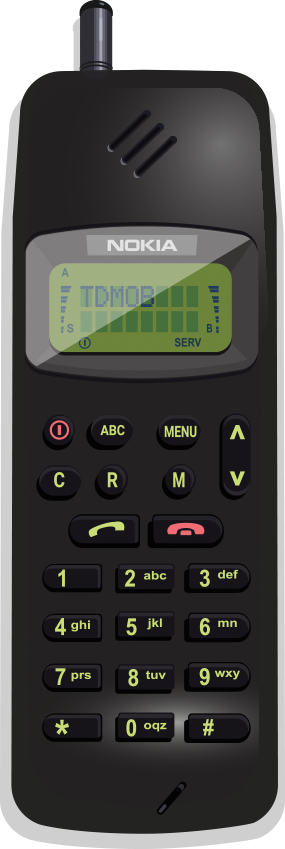
GSM first launched in Europe 1991 with the Orbitel TPU 900 first to market, but it wasn’t until 1992 that mobiles were no longer restricted to business use. Mass production paved the way for cost-effective consumer handsets with digital displays. Nokia was one of the first to take advantage of this transition, with the Nokia 1011 arriving that year.
1995 – 1998
A Splash of Colour
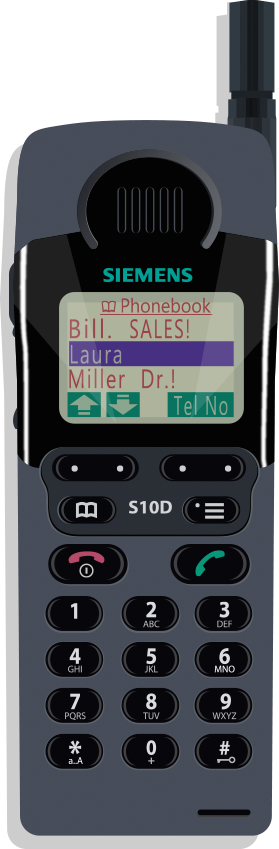
Although it only offered four colours, the Siemens S10 brought mobile phone displays to life for the first time in 1997. The same year Hagenuk launched the GlobalHandy, the first device without an external aerial. Customisation also kicked off in a big way with Ericcson offering swappable coloured front keyboard panels. The following year Nokia launched a range of ‘Xpress-on’ interchangeable covers on the 5100 series, making it the first fashion orientated phone.
1999 – 2002
Growth of the Feature Phone
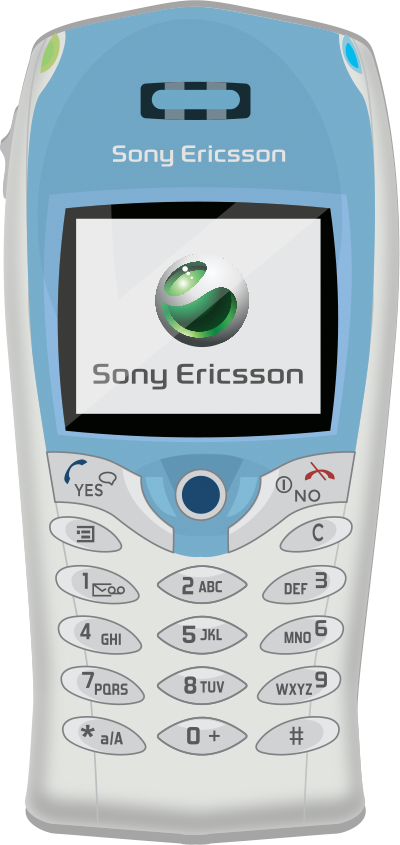
1999 saw Nokia unveil the 7110 which was the first device to take advantage of WAP (a means of accessing information over a mobile wireless network).A year later Sharp launched the world’s very first camera phone, the J-SH04. It was only available in Japan but signalled the start of the public’s obsession with phone photography. However, it wasn’t until 2002 and the release of the Sony Ericsson T68i and its clip-on camera, that western markets started to take an interest in the camera phone.
2003 – 2006
Mobile Data Revolution

The implementation of 3G took download speeds up to 2MBS in March 2003 with “3” the first to offer the service in the UK. RIM brought mobile email to the masses with its range of popular BlackBerry devices like the 8100 Pearl. The advent of front facing cameras in 2003 on devices such as the Sony Ericsson Z1010 meant video calling became possible, but not popular.
2007 – 2010
Getting Smarter

Swiping and scrolling replaced the traditional button method of input. The LG Prada being the first touchscreen to market ahead of the Apple iPhone in May 2007. However, Apple proved to have both the stronger brand and superior knowledge of capacitive touchscreen’s potential.
2011 – 2014
Life Companion
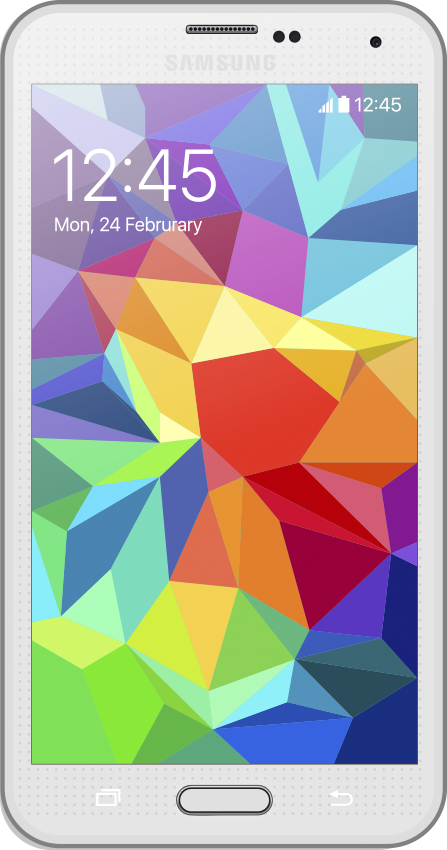
Smartphones became increasingly central to modern life, offering much more than just communication features. The UK’s first 4G service launched in 11 cities by EE in 2012 taking download speeds up to 12mbps. Voice recognition became common place first with Google Voice before Apple launched Siri into the market. Samsung added a built-in heart rate monitor to their flagship Galaxy S5 to capitalise on growth in mobile health & fitness.
2015 – 2018
Size Matters

The global adoption of 4G vastly improves video streaming and video calling capabilities. Screen sizes continue to grow to maximise the experience of these features, with the iPhone 7 Plus display now 57% larger than the original iPhone from 2007. Mobile payments also emerge with Apple Pay and Android Pay offering users the possibility of buying things with their smartphone.
 CELLVOLUTION