
Cellphone have become a part of our daily lives. Much more than just a phone, the cellphone continues to revolutionize the way we communicate with each other.The innovation and growth on the mobile phones front is astonishing. The top-end phones available now have the processing power and storage available in desktop computers just 4-5 years ago. Little wonder, then, that 2004 saw 674 million phones being bought, and estimates for 2005 stand at 730 million.
The mobile phone is rapidly becoming the uber device — the one device that seems to have it all and becomes even more indispensable than it is now. Mobile phones have already started functioning as more than just communications devices. Mobiles serve as watches and alarm clocks. Even with the limited free games that come with basic phones, they are already good for “time-pass”. They can also function as calculators. In unfamiliar neighbourhoods, they tell us where we are. The address book and contacts list on phones is our social interface. Without the phone, many of us would be quite lost in connecting with other people. The calendar function on the mobile phones can help us track our lives. Phones can also function as radios. For some, the mobile phone also becomes a notepad — send an SMS to oneself and make it a reminder service. Owners also have tended to customize phones, with their own ringtones, themes and wallpapers. This is just for starters. Consider what some of the more advanced mobile phones are also doing:

Digital camera: Point-and-click! Phones capture pictures and let us save them for posterity or transfer them to others and to computers.
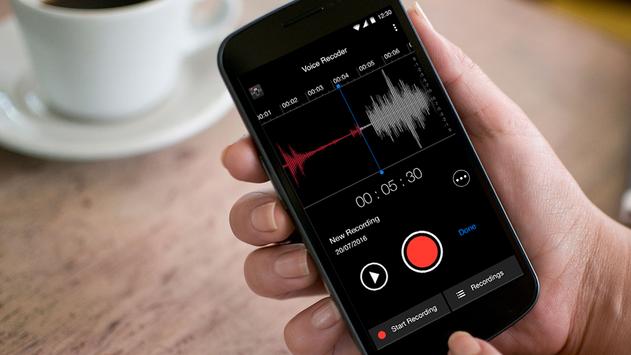
Audio recorder: Mobile phones can be used to record conversations or even brief notes to oneself. Video recorder: Phones are becoming video cameras also — some of the newest cellphones can record an hour or more of video.
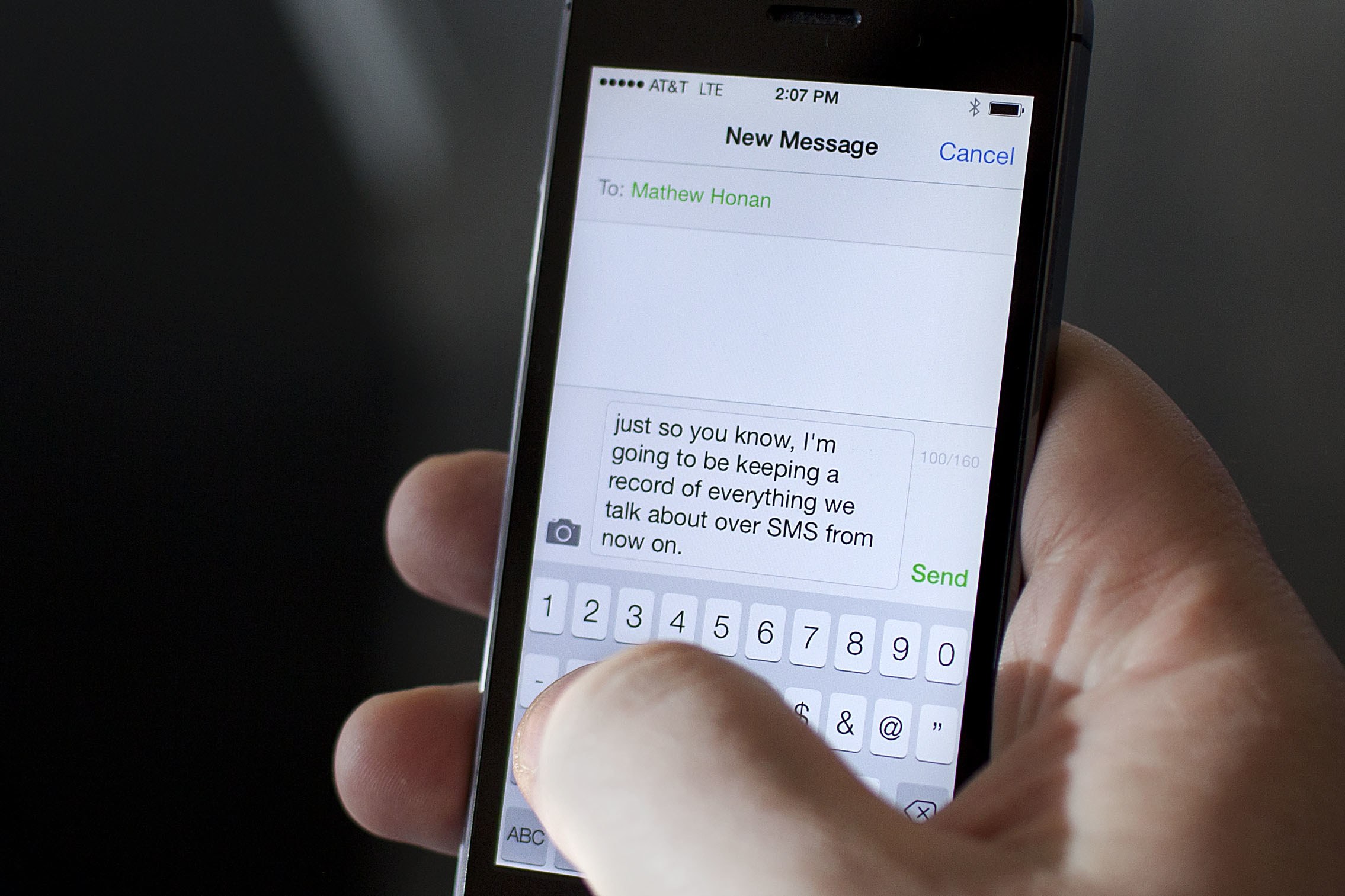
Multimedia messaging: Everything recorded can be shared with others by using MMS.

Email client: The phone can be used to connect to any POP or IMAP server and allow receiving and sending email. While most phones may not have the ease of use that a Blackberry has with email, contacts and calendar, the fact that it is on the phone itself and that there is no need for a separate device can be a big help (along with the lower total cost of ownership).

Web client: Phones can also browse websites, via a WAP and/or HTML browser. Most web sites may not look great on the small screen, but it is still possible to connect to any web site.
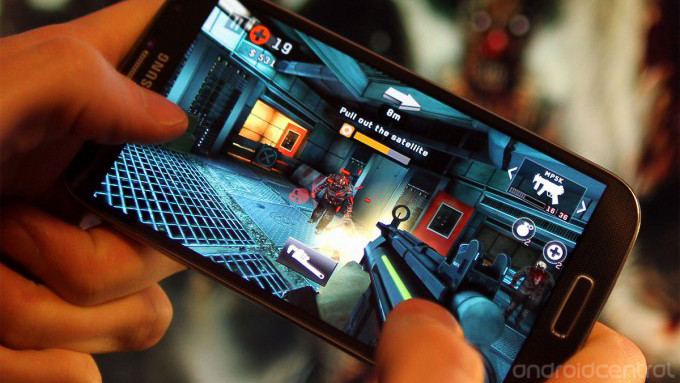
Gaming platform: Mobile games have become big business in the past couple years as people seek entertainment in the free time that they have on the device that they always carry with them.

Documents viewer: It is increasingly possible to view documents on the cellphone, in the popular MS-Office file formats. Computer adjunct: For many, the cellphone has replaced the PDA as the complement to the computer. With a remote desktop application, it also becomes possible to make the mobile phone a window to one’s computer.

Music player: The next big thing in 2005 is reckoned to be the combining of music capabilities on the mobile phone. While phones can play MP3s, it will soon also be possible to have music streamed from the Internet. Motorola is expected to introduce a phone this year that marries the mobile with Apple’s iPod. TV: In India, some operators have been promoting many TV channels on the cellphone over next-generation networks like EDGE.
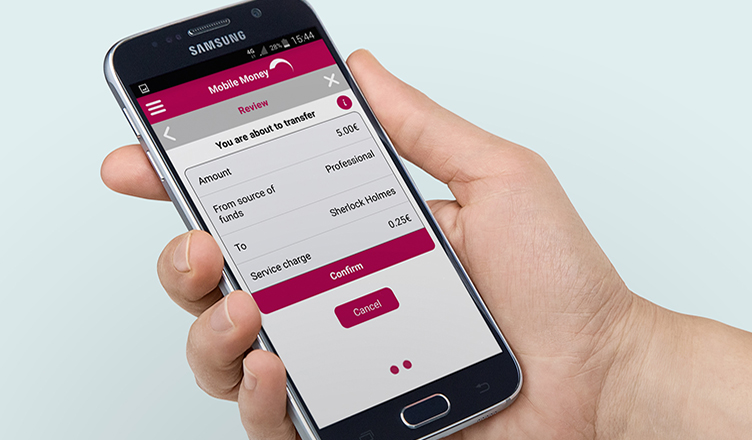
Wallet: The phone can also be used to pay for purchases like a credit or debit card. There is already a billing relationship that exists between the subscriber and the operator, and that can be used to make payments to merchants. Bar-code readers: Phones will also be able to read bar codes and that can have very interesting applications in commerce. Ramesh Jain, professor at University of California, Irivine, wrote on his weblog: “Mobile phones are becoming very powerful and are likely to become a dominant device for CCC (communication, computing and content).” So the phones of tomorrow will be the remote controls of our life. They will come with bigger, better keyboards and displays — even though there are practical limitations on how big a device we will carry.
 CELLVOLUTION